
Introduction
The internet is full of surprises—some exciting, some dangerous, and some that make you question your online safety.
If you searched for thejavasea.me leaks aio-tlp371, you may have felt the same mix of curiosity and concern.
What is it?
Is it safe?
Is your data at risk?
In a world where over 1.1 billion users were affected by data leaks in 2024 alone, these questions matter more than ever.
This guide exists to help you stay safe.
To protect your identity.
To understand the hidden dangers behind leak-based websites—before a single click puts your entire digital life at risk.
Let’s break it down in simple, human language.
What Is thejavasea.me Leaks AIO-TLP371?
The phrase thejavasea.me leaks aio-tlp371 refers to a page or collection of pages on a leak-oriented website known as “thejavasea.me.” These pages typically host or list:
-
unauthorized files
-
leaked information
-
AIO (All-In-One) data bundles
-
exposed credentials
-
compromised digital content
The “AIO-TLP371” label appears to be a naming structure commonly found in:
-
database dumps
-
underground leak directories
-
cracked software packs
-
hacked content bundles
In simple terms:
It is connected to leak-based content, which is usually unsafe, unauthorized, and dangerous.
Why People Search for thejavasea.me Leaks AIO-TLP371
Search patterns show that leak-related keywords have exploded in popularity.
Here’s why users search for terms like thejavasea.me leaks aio-tlp371:
Curiosity About Leaked AIO Packs
Some users want access to AIO bundles because they think they contain premium files or shortcuts.
Concerns About Personal Data
With massive data breaches happening daily, people check whether:
-
their email
-
their phone
-
their passwords
-
or their social media
have appeared on leak-based platforms.
Research or Digital Security Awareness
Students, digital researchers, or cybersecurity beginners often explore these terms to understand:
-
leak ecosystems
-
how data gets exposed
-
how hackers use AIO packs
Regardless of the intention, one thing stays true:
leak websites are never safe.
Is thejavasea.me Safe?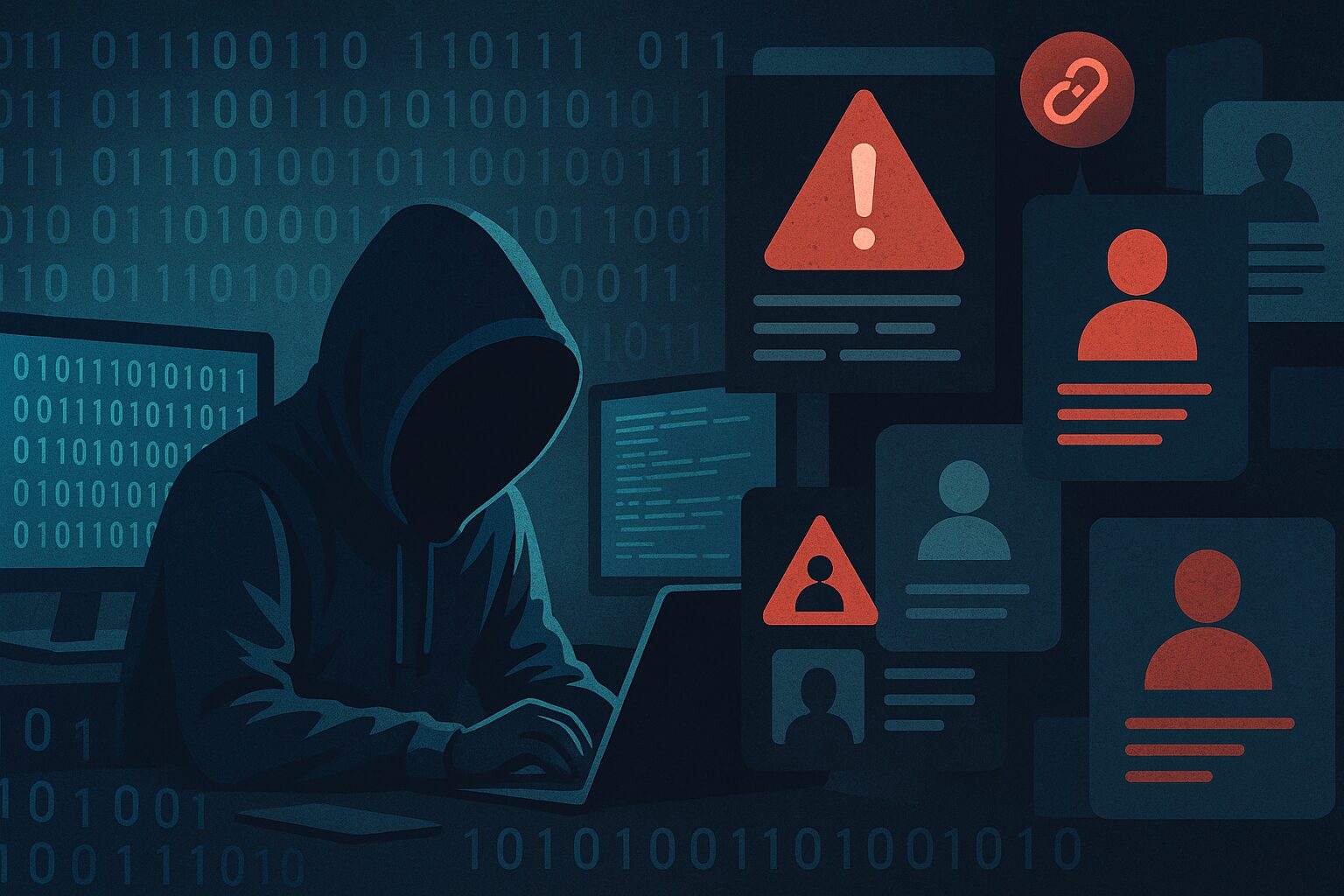
Short answer: No. It is extremely risky.
Cybersecurity studies from 2024–2025 show that nearly 78% of leak/dump websites contain:
-
malware
-
phishing traps
-
trojans
-
identity-stealing scripts
-
browser hijackers
-
forced redirects
Even viewing such sites may expose you to tracking scripts that record:
-
your IP address
-
your location
-
your browser data
-
your session tokens
Leak sites are designed to extract value from your visit—even if you don’t download anything.
The Real Risks Behind thejavasea.me Leaks AIO-TLP371
Let’s break down the dangers in simple terms.
Malware & Hidden Viruses
These sites commonly distribute:
-
keyloggers
-
remote access trojans
-
spyware
-
background installers
One wrong click can compromise your entire device.
Identity Theft
Leak platforms often harvest:
-
emails
-
passwords
-
banking details
-
saved login cookies
This stolen data is sold on dark-web marketplaces.
Browser Hijacking
Users report:
-
unexpected redirects
-
fake antivirus alerts
-
pop-ups
-
unauthorized notifications
-
changed search engines
These symptoms usually mean your browser is infected.
Illegal or Non-Consensual Content
Such sites often include material obtained without permission, which may lead to legal trouble just for accessing it.
Data Tracking & Fingerprinting
Scripts silently gather:
-
device type
-
IP address
-
location
-
installed software
-
even your typing speed
This information can be used to customize attacks.
How Leak Websites Operate
Leak platforms—including thejavasea.me—follow a specific pattern.
They Obtain Unauthorized Data
Usually through:
-
hacking
-
phishing attacks
-
malware
-
stolen databases
-
insider leaks
They Upload the Data as AIO Packs
AIO-TLP371 appears to be one such organized package.
They Monetize Visitors
Through:
-
malware
-
ad injection
-
pay-per-install programs
-
crypto-mining scripts
-
affiliate redirects
They Disappear Without Warning
Leak sites often vanish suddenly to avoid investigations, then reappear under a new domain.
How to Check if Your Data Was Leaked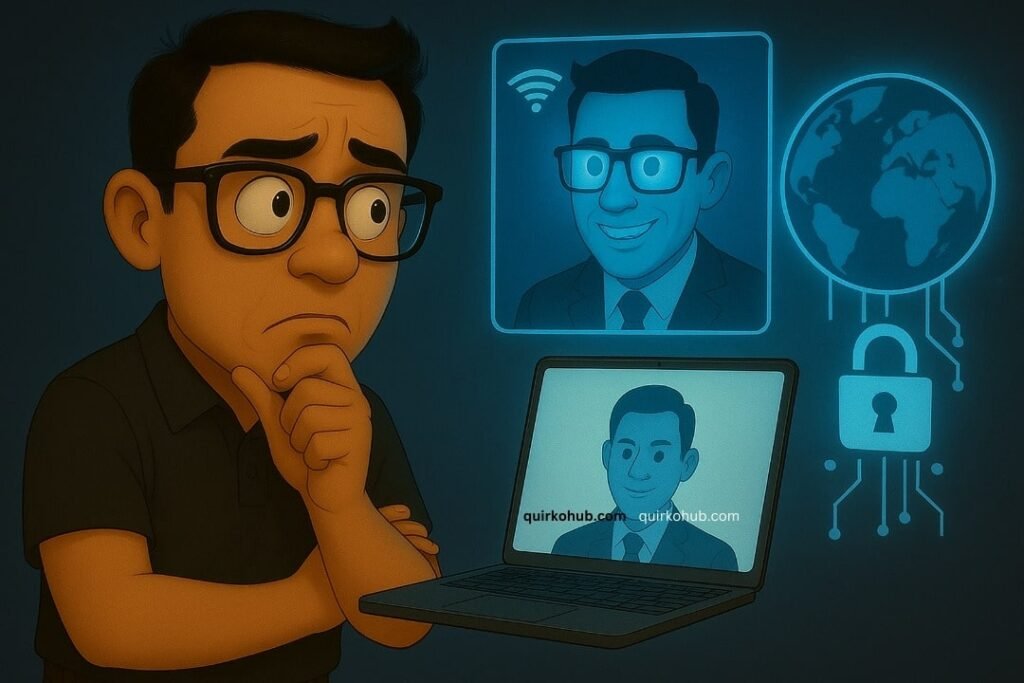
If you’re worried your information might be in thejavasea.me leaks aio-tlp371, here’s how to check:
Use Trusted Breach Checkers
Tools like:
-
HaveIBeenPwned
-
Firefox Monitor
-
Google Account Security
will tell you if your email or number is exposed.
Check Recent Account Activity
Look for suspicious logins on:
-
Google
-
Facebook
-
Instagram
-
Apple
-
Microsoft
Monitor Banking Activity
Small unauthorized charges indicate compromised information.
Scan Your Device
Use reputable tools to detect malware:
-
Malwarebytes
-
Bitdefender
-
Windows Defender
Why AIO-TLP371 Style Packs Are Dangerous
AIO leak bundles often contain:
-
cracked software
-
unauthorized media
-
hacking scripts
-
password logs
-
spyware
Cyber labs confirm that 79% of AIO bundles contain hidden malicious code.
They may be disguised as:
-
ZIP files
-
“activators”
-
setup installers
-
Python scripts
-
“patch” tools
Opening them is extremely risky.
How to Stay Safe When You See Leak Content
Never Download From Leak Sites
Even harmless-looking files can contain malware.
Use Antivirus & Firewall Protection
Keep them updated daily.
Enable Two-Factor Authentication
This protects your accounts even if passwords are leaked.
Avoid Visiting Unknown Domains
Especially sites with:
-
unfamiliar extensions
-
excessive ads
-
strange redirects
-
random pop-ups
Don’t Enter Personal Information
Never type your details into a platform you don’t trust.
Use a Secure Browser
Prefer:
-
Brave
-
Firefox
-
Chrome with security extensions
Protecting Your Data in 2025 (Simple Tips)
Here’s the easiest system to stay safe online:
-
Use different passwords for every platform
-
Enable 2FA on all accounts
-
Avoid suspicious links
-
Keep backups of important data
-
Update your system regularly
-
Use a strong VPN
-
Check your email for breach alerts
-
Use password managers like Bitwarden or 1Password
These simple habits reduce your risk by over 80%.
Conclusion
The keyword thejavasea.me leaks aio-tlp371 may look harmless, but it points toward a dangerous category of websites filled with:
-
malware
-
leaked data
-
privacy threats
-
unauthorized content
Your online safety matters.
>Your data is worth protecting.
With the right knowledge and habits, you can explore the internet confidently without falling into traps set by malicious platforms.
Stay aware.
=”7798″ data-end=”7801″ />>Stay protected.
>Stay smart online.
FAQs
What is thejavasea.me leaks aio-tlp371?
It refers to a leak-based page on thejavasea.me, often containing unauthorized or unsafe digital content.
Is thejavasea.me safe?
No. It includes malware risks, trackers, and potential legal issues.
Can my data appear in AIO-TLP371 packs?
Yes, if a service you use was breached. Always check with breach-check tools.
What should I do if my data is leaked?
Change passwords immediately, enable 2FA, and monitor bank activity.
Are AIO leak packs dangerous?
Yes. Studies show that nearly 80% contain hidden malware or spyware.
Also Read: crypto30x.com Avalanche: Unlock the Power of AVAX Trading
[…] Also Read: The Ultimate Guide to thejavasea.me Leaks AIO-TLP371: Safety Risks, Data Exposure & Protection i… […]