
Introduction
When people see a familiar face on television every day, they feel a connection. That connection often turns into curiosity—sometimes concern. Over the past few years, searches for elizabeth rizzini disability have quietly increased, not out of gossip, but from viewers who genuinely care.
Elizabeth Rizzini is calm, confident, and composed on screen. Yet like many public figures, she has become the subject of online speculation. Questions appear in forums, social media comments, and search engines, often without answers—only assumptions.
This article is written with one purpose: to bring clarity, empathy, and truth. Not to invade privacy. Not to spread rumors. But to help readers understand what is known, what is not, and why conversations around disability—real or assumed—should always be handled with respect.
Elizabeth Rizzini Disability: Facts, Context, and Public Perception
Who Is Elizabeth Rizzini?
Elizabeth Rizzini is a respected British weather presenter, best known for her work on BBC London. Over the years, she has earned public trust through her professionalism, warmth, and consistency.
She is admired for:
-
Clear and confident on-screen delivery
-
A calm presence during severe weather coverage
-
Long-standing service in broadcast journalism
With that visibility comes scrutiny—and sometimes speculation that goes beyond facts.
Why Are People Searching for “Elizabeth Rizzini Disability”?
Search intent matters. People searching elizabeth rizzini disability are not usually trying to criticize. Most are looking for clarity.
Common reasons include:
-
Observations about posture, movement, or body language
-
Increased public awareness around visible and invisible disabilities
-
A growing culture of curiosity around public figures’ personal lives
-
Genuine concern from long-time viewers
In today’s digital world, silence often creates assumptions, even when none are justified.
Has Elizabeth Rizzini Ever Confirmed a Disability?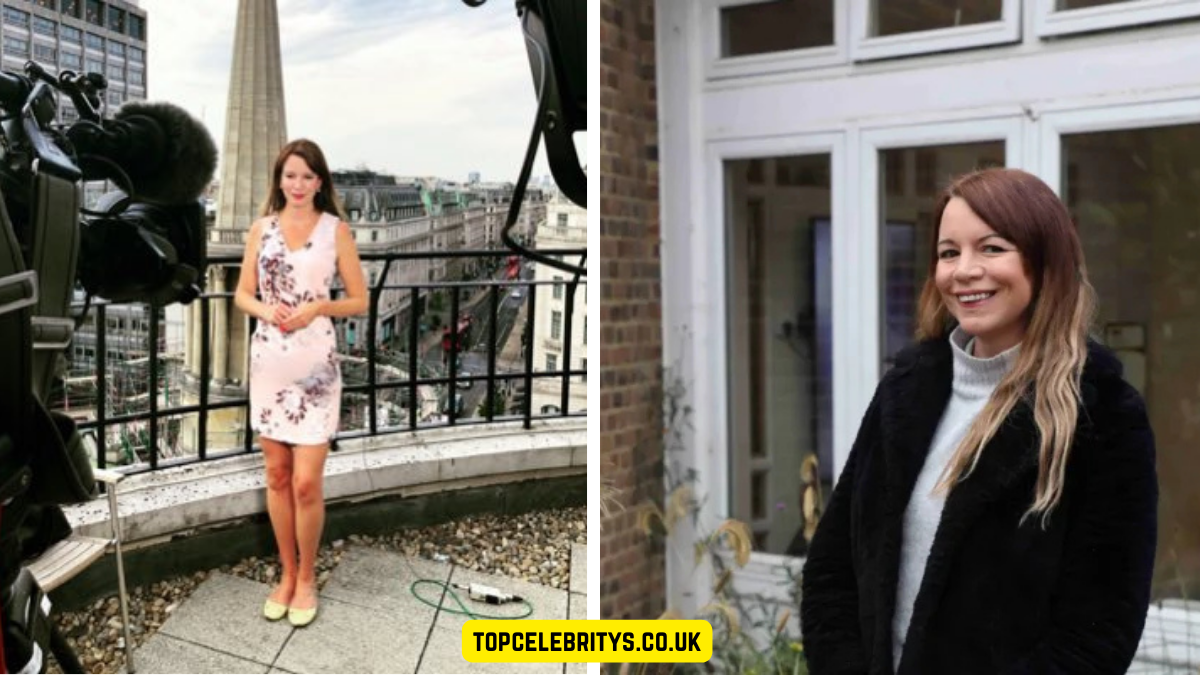
This is the most important point.
Elizabeth Rizzini has never publicly stated that she has a disability.
There are:
-
No verified interviews
-
No official BBC statements
-
No public disclosures from Elizabeth herself
That means any claim presenting her as disabled is speculative, not factual.
From an ethical and journalistic perspective, it is critical to separate:
-
Confirmed information
-
Public curiosity
-
Unfounded assumptions
Understanding Visible vs Invisible Disabilities
One reason searches like elizabeth rizzini disability exist is because people are becoming more aware that disabilities are not always obvious.
Visible Disabilities
These may include:
-
Mobility aids
-
Limb differences
-
Assistive devices
These are easier for the public to identify, though assumptions can still be wrong.
Invisible Disabilities
Research shows that over 70% of disabilities are invisible. These may include:
-
Chronic pain conditions
-
Neurological differences
-
Autoimmune disorders
-
Hearing or vision impairments
Many professionals work at the highest level while managing invisible challenges privately.
But again—awareness does not equal confirmation.
The Risk of Speculation Around Public Figures
Speculating about elizabeth rizzini disability highlights a wider issue in digital culture.
Why speculation can be harmful
-
It reduces a person’s identity to a condition
-
It spreads misinformation
-
It invades personal boundaries
-
It reinforces stereotypes
Even when curiosity feels harmless, it can have real emotional consequences.
Recent media ethics research shows that unverified health speculation is one of the fastest-growing sources of online misinformation related to public figures.
Disability Representation in Media: Why the Topic Matters
Although Elizabeth Rizzini has not disclosed any disability, the conversation itself reflects something important.
Growing demand for representation
Audiences increasingly want to see:
-
Disabled professionals in mainstream roles
-
Normalized diversity on screen
-
Talent valued beyond physical appearance
According to recent broadcasting studies:
-
Over 1 in 5 adults live with some form of disability
-
Less than 10% of on-screen presenters openly identify as disabled
-
Representation increases public trust and social inclusion
This context explains why people are curious—but curiosity must still be respectful.
Elizabeth Rizzini’s Professional Achievements Speak First
Instead of focusing on unverified topics like elizabeth rizzini disability, it is more accurate—and meaningful—to look at her career.
Key professional strengths
-
Years of live broadcasting experience
-
Trusted voice during emergency weather coverage
-
Strong communication under pressure
-
Consistent viewer connection
If Elizabeth were managing any personal challenge, her work demonstrates something powerful: capability is not defined by physical assumptions.
Why Privacy Still Matters in the Digital Age
There is a difference between public work and private life.
Elizabeth Rizzini shares:
-
Her professional role
-
Her expertise
-
Her public-facing responsibilities
She has not chosen to share medical or personal health details—and that choice deserves respect.
Ethical line to remember
-
Public role ≠ public ownership of personal health
-
Curiosity ≠ entitlement
-
Awareness ≠ assumption
This principle applies not only to Elizabeth Rizzini disability discussions but to all public figures.
How Search Engines Amplify Assumptions
Search algorithms reflect user behavior, not truth.
When enough people search a phrase like elizabeth rizzini disability, it:
-
Appears as a suggested query
-
Feels “validated” by visibility
-
Spreads faster—even without evidence
This is why high-quality, responsible content matters—to correct the record instead of feeding speculation.
Disability, Strength, and Professional Identity
Even hypothetically, if a public figure lives with a disability, it does not define their value.
Modern research in workplace psychology shows:
-
Disabled professionals often develop stronger problem-solving skills
-
Empathy and resilience scores are higher in inclusive environments
-
Performance is linked to support—not physical norms
These insights shift the conversation from limitation to capability and respect.
What Viewers Can Learn From This Conversation
The search for elizabeth rizzini disability is not really about Elizabeth alone.
It reflects:
-
A cultural shift toward inclusion
-
A desire for transparency
-
A need for better media literacy
Instead of asking “What is wrong?”, a better question is:
“Why do we assume something must be?”
Responsible Curiosity: A Healthier Approach
If you admire a public figure and feel concern, the healthiest response is:
-
Appreciate their work
-
Respect their boundaries
-
Avoid spreading unverified claims
True support does not demand personal disclosure.
Final Thoughts: Respect Is the Real Story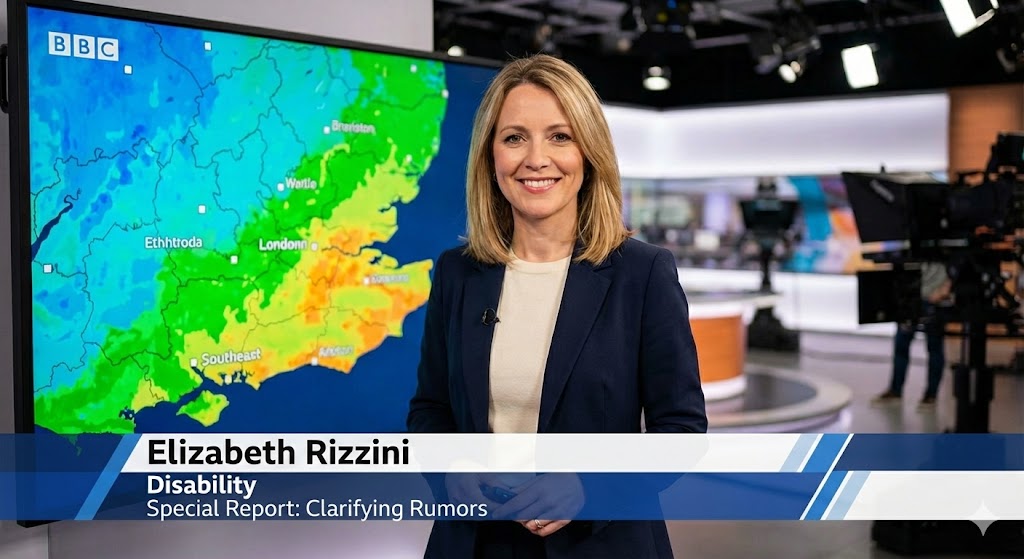
Elizabeth Rizzini continues to show up on screen with professionalism, confidence, and calm authority. There is no confirmed information supporting claims or assumptions around elizabeth rizzini disability.
And that is okay.
The real takeaway is not about disability—but about how we treat people in the public eye. Compassion means allowing individuals to define their own narratives.
In a world hungry for answers, sometimes the most respectful response is acceptance of what has not been shared.
FAQs About Elizabeth Rizzini Disability
1. Has Elizabeth Rizzini ever spoken publicly about a disability?
No. Elizabeth Rizzini has not publicly confirmed or discussed having any disability.
2. Why do people search for “elizabeth rizzini disability” online?
Most searches come from curiosity or concern, not confirmed information. Search trends often reflect speculation rather than facts.
3. Is there any official statement about Elizabeth Rizzini’s health?
There are no official BBC or personal statements addressing disability or health conditions.
4. Does Elizabeth Rizzini’s career show any limitations?
No. Her professional performance shows consistent competence, confidence, and reliability in live broadcasting.
5. Is it appropriate to speculate about a public figure’s disability?
Ethically, no. Health and disability are personal matters unless the individual chooses to share them publicly.
Also Read: Heardle 60s: The Ultimate Deep-Dive Into the 1960s Music Guessing Game That Revives a Golden Era
[…] Also Read: Elizabeth Rizzini Disability: Truth, Representation, and Why Public Curiosity Needs Compassion […]