

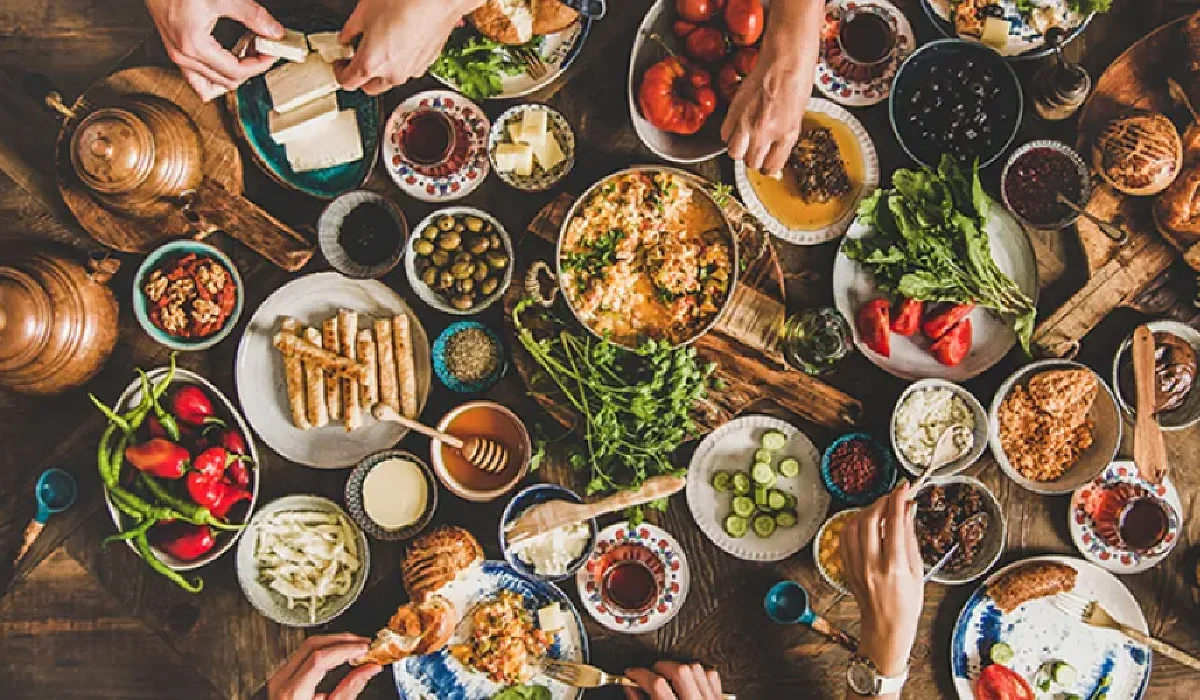
Introduction
Food has always carried emotion. It reminds us of home, comfort, and connection. In recent years, as the world has faced uncertainty, people have started looking at food differently—not just as something to eat, but as something that can heal, protect, and inspire.
This is where food trends fhthopefood quietly enter the conversation.
Across kitchens, farms, and food startups, a new mindset is growing. People want food that supports health, respects the planet, and gives hope for a better tomorrow. Food trends fhthopefood are not about perfection or strict rules. They are about thoughtful choices and a deeper relationship with what we eat.
Food Trends FHThopeFood and the New Way the World Eats
Understanding Food Trends FHThopeFood
Food trends fhthopefood describe a modern food movement built around hope, responsibility, and balance. Instead of chasing short-term fads, this approach focuses on long-term well-being for both humans and the environment.
At its heart, food trends fhthopefood combine:
-
Nutritional awareness
-
Sustainable sourcing
-
Cultural respect
-
Technological innovation
-
Emotional connection with food
This makes the trend more of a lifestyle shift than a diet.
Why Food Trends FHThopeFood Are Growing Rapidly
The global food system is changing fast. Rising health problems, climate stress, and food insecurity are forcing people to rethink what ends up on their plate.
Recent research shows:
-
Over 65% of consumers prefer brands with sustainable food practices
-
Diet-related illnesses continue to increase globally
-
Food waste accounts for nearly one-third of all produced food
that respond directly to these challenges by encouraging smarter, kinder food choices.
Core Values Behind Food Trends FHThopeFood
Hope-Centered Nutrition
One major pillar of that is nourishment with purpose. Food is chosen not just for taste, but for how it supports daily energy, long-term health, and mental clarity.
This includes:
-
Whole and minimally processed foods
-
Balanced meals instead of extreme dieting
-
Ingredients that support immunity and digestion
Sustainability Without Sacrifice
Sustainability plays a central role in it, but without guilt or pressure.
Key ideas include:
-
Reducing food waste
-
Choosing seasonal ingredients
-
Supporting eco-friendly farming
Studies show sustainable diets can lower environmental impact by up to 30% while maintaining nutritional quality.
Transparency and Trust in Food
People want to know what they are eating. Food trends fhthopefood emphasize honesty in labeling, sourcing, and production.
Consumers now value:
-
Clear ingredient lists
-
Ethical labor practices
-
Traceable supply chains
Trust has become just as important as flavor.
Major Shaping 2025
Plant-Forward Eating Becomes the Norm
Instead of strict vegan or meat-heavy diets, food trends fhthopefood support flexibility.
This approach encourages:
-
More vegetables and legumes
-
Reduced but higher-quality meat
-
Balanced protein sources
Even small shifts toward plant-forward meals improve heart health and reduce emissions.
Functional Foods for Everyday Wellness
Functional foods are a major part of that.
Examples include:
-
Probiotic-rich foods for gut health
-
Omega-3 enriched products
-
Fiber-focused snacks
-
Adaptogenic teas and drinks
These foods help support the body naturally, without medical dependency.
Local and Seasonal Choices
Eating local is no longer a niche idea. that promote shorter supply chains and community support.
Benefits include:
-
Fresher food
-
Better nutrient retention
-
Lower transportation impact
Seasonal produce often contains higher vitamin levels than imported alternatives.
Technology and Food Trends FHThopeFood
Personalized Nutrition Through Technology
Modern tools are reshaping how people eat.
its now include:
-
AI-based meal planning
-
Health-tracking nutrition apps
-
Data-driven dietary advice
Personalized nutrition has been shown to improve dietary consistency by over 35%.
Innovation in Food Production
Food innovation supports the growth of that.
Emerging solutions include:
-
Vertical farming
-
Smart irrigation
-
Alternative proteins
-
Climate-resilient crops
These technologies help feed more people using fewer resources.
Emotional and Mental Health Connection
Food affects mood, focus, and emotional balance. that recognize this powerful connection.
Key insights:
-
Gut health influences mental well-being
-
Stable blood sugar improves concentration
-
Healthy fats support brain function
Mindful eating is becoming part of mental self-care.
Cultural Respect Within Food Trends FHThopeFood
Rather than replacing traditional foods, its encourage adaptation.
This means:
-
Healthier cooking methods for traditional dishes
-
Preserving cultural identity
-
Respecting indigenous ingredients
Food becomes a bridge between tradition and modern health.
How Restaurants Are Adopting Food Trends FHThopeFood
Restaurants are adjusting to meet new expectations.
Common changes:
-
Smaller, higher-quality menus
-
Clear sourcing information
-
Reduced food waste
-
More inclusive dietary options
Sustainable restaurants often see stronger customer loyalty.
Food Trends FHThopeFood at Home
Home kitchens are evolving as well.
Popular habits include:
-
Meal planning with whole foods
-
Cooking more from scratch
-
Reading food labels carefully
-
Reducing unnecessary packaging
Small daily habits align easily with that .
Economic Impact of Food Trends FHThopeFood
The market influenced by that continues to expand.
Current data shows:
-
Sustainable food markets growing at 8–10% annually
-
Functional foods gaining global demand
-
Increased investment in ethical food startups
This movement is creating jobs and innovation worldwide.
Challenges Facing Food Trends FHThopeFood
Despite growth, challenges remain:
-
Higher costs for some products
-
Limited access in certain regions
-
Misleading marketing claims
Education and transparency are helping overcome these barriers.
Simple Ways to Follow Food Trends FHThopeFood
You don’t need to change everything overnight.
Start with:
-
One mindful meal per day
-
Buying seasonal produce
-
Reducing food waste
-
Supporting ethical brands
Progress matters more than perfection.
The Future of Food Trends FHThopeFood
Looking ahead, it will likely:
-
Integrate with healthcare systems
-
Become more affordable
-
Expand globally
-
Influence food policy
Food is slowly being recognized as preventive care.
Conclusion: Choosing Food With Hope
Food is more than habit—it is a reflection of our values. its remind us that every meal can support health, sustainability, and shared responsibility.
This movement is not about restriction. It is about awareness, balance, and hope. By making thoughtful choices, we nourish not only ourselves but the future we want to live in.
FAQs (Long-Tail Focus)
1. What are food trends fhthopefood in simple terms?
its focus on hopeful, sustainable, and health-centered eating habits that support people and the planet.
2. Are that expensive to follow?
Not necessarily. Seasonal foods and reduced waste can lower overall food costs.
3. Do it support mental health?
Yes. Balanced nutrition and gut health play a strong role in emotional well-being.
4. Can traditional diets fit into that?
Absolutely. Traditional foods can be adapted using healthier methods.
5. Why are that important for the future?
They help address health issues, environmental impact, and global food sustainability.
[…] Also Read: Food Trends FHThopeFood: How Hope-Driven Eating Is Shaping the Future of Food […]