
Introduction
At first, it feels exciting.
A viral clip. A shocking post. A creator doing something unthinkable just to grab attention.
Then comes the pause.
they scroll back. You rewatch. You wonder how someone with millions of followers reached that point.
The phrase influencers gone wild isn’t just internet slang anymore. It’s a mirror of a digital world where fame moves faster than wisdom, and attention often pays more than integrity.
Behind the scandals, breakdowns, and extreme content, there are real human stories—pressure, fear of irrelevance, addiction to validation, and the constant chase for “one more viral moment.”
This deep guide explores what influencers gone wild truly means, why it’s happening more often than ever, and what it teaches us about social media, psychology, and modern fame.
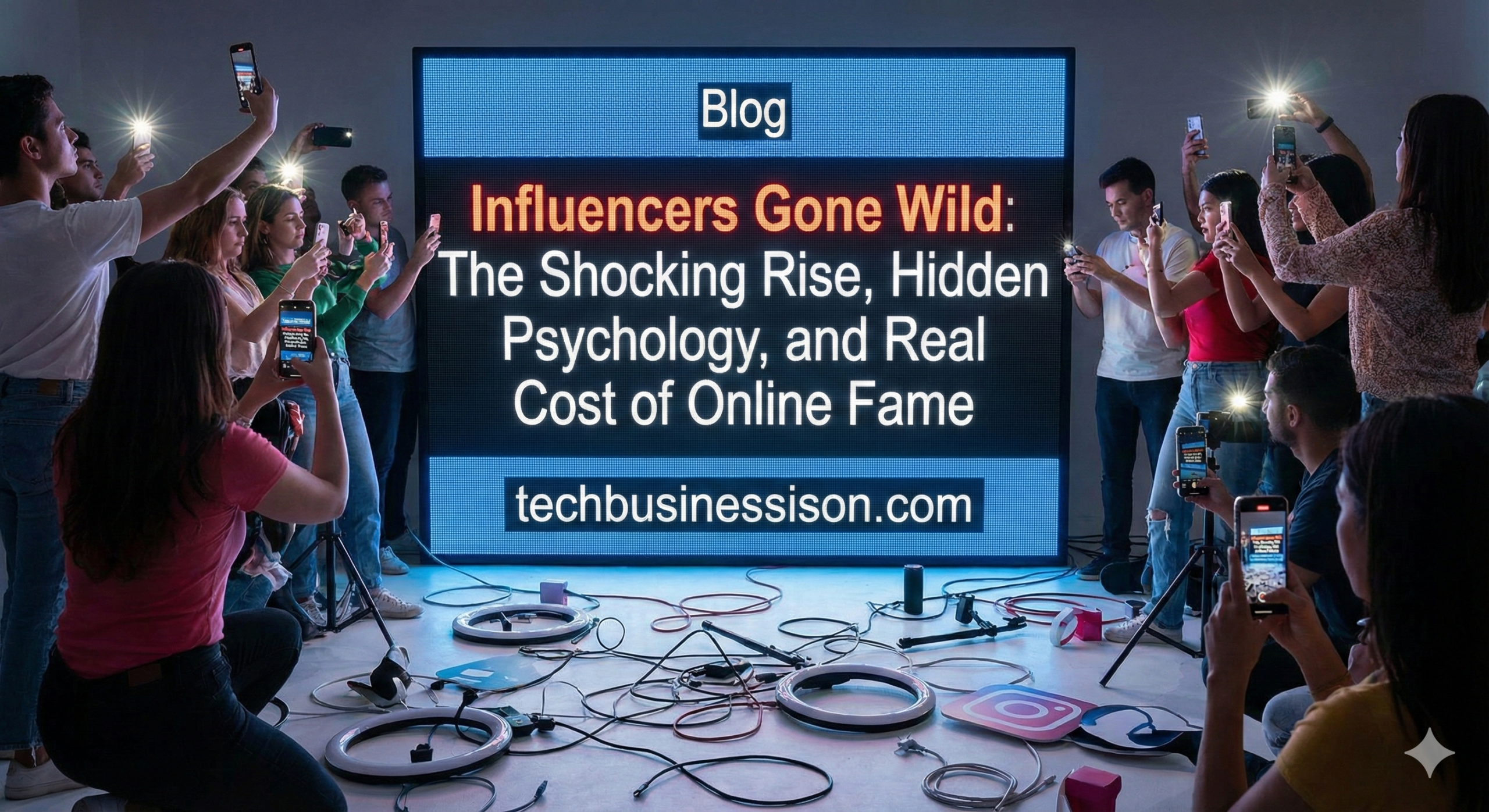
Influencers Gone Wild: When Online Fame Crosses the Line
The term influencers gone wild describes moments when digital creators act recklessly, unethically, or shockingly in pursuit of views, relevance, or money.
This includes:
-
Public meltdowns and livestream rants
-
Dangerous stunts for clicks
-
Fraud, scams, or fake giveaways
-
Offensive behavior and cancel-worthy content
-
Oversharing personal or family trauma
What makes influencers gone wild so powerful is not just the behavior—but how fast it spreads, how strongly audiences react, and how deeply it impacts culture.
The Explosive Growth of Influencer Culture
In 2010, influencers barely existed.
By 2025, over 300 million people globally identify as content creators.
Social media platforms reward:
-
Engagement over truth
-
Emotion over balance
-
Shock over substance
This system quietly encourages influencers gone wild behavior—even when creators know it’s harmful.
Recent platform data shows:
-
Controversial content gets 2.3x more shares
-
Outrage-driven videos increase watch time by nearly 70%
-
Drama-based creators grow followers faster in the short term
The algorithm doesn’t care why you’re watching—only that you are.
What “Influencers Gone Wild” Really Means
This phrase is not about fun or rebellion alone.
At its core, influencers gone wild means losing control of:
-
Personal boundaries
-
Ethical judgment
-
Mental stability
-
Audience responsibility
It’s the moment content creation turns into desperation.
The Psychology Behind Influencers Gone Wild
The Dopamine Trap
Every like triggers dopamine.
Every share reinforces behavior.
Over time, creators need bigger shocks to feel the same high.
This leads to:
-
Escalating content risks
-
Ignoring consequences
-
Public emotional breakdowns
Neurological studies show that social validation activates the same brain areas as addictive substances.
Fear of Becoming Irrelevant
The digital world forgets fast.
Creators fear:
-
Algorithm drops
-
Lower views
-
Being replaced by younger influencers
This fear often fuels influencers gone wild moments—where logic loses to panic.
Parasocial Pressure
Followers say:
-
“You owe us”
-
“Do it again”
-
“You’ve changed”
Creators feel trapped, performing a version of themselves they no longer recognize.
Common Patterns Seen in Influencers Gone Wild
1. Shock for Attention
-
Fake pranks
-
Dangerous challenges
-
Public humiliation stunts
Attention spikes, but credibility dies.
2. Oversharing Private Life
-
Relationship breakdowns
-
Children used as content
-
Mental health crises filmed live
The line between authenticity and exploitation disappears.
3. Financial Scams
-
Fake investment tips
-
Crypto rug pulls
-
Paid promotions without disclosure
According to consumer protection reports, influencer-related scams caused billions in losses globally in recent years.
4. Offensive or Harmful Content
-
Racist or sexist remarks
-
Cultural insensitivity
-
Mocking serious social issues
Once posted, screenshots live forever.
Viral Case Patterns (Without Names)
While specific names aren’t needed, patterns repeat across platforms:
-
A lifestyle influencer fakes wealth → exposed → disappears
-
A prank creator injures someone → legal trouble
-
A motivational influencer sells fake success courses
-
A family vlogger exploits personal tragedy for views
Each case fits the influencers gone wild cycle:
Growth → Pressure → Extreme Action → Backlash
The Role of Algorithms in Influencers Gone Wild
Algorithms reward:
-
Longer watch time
-
Emotional reactions
-
Heated comments
They unintentionally push creators toward extremes.
Platform behavior studies show:
-
Drama-based videos are promoted longer
-
Calm educational content plateaus faster
-
Outrage keeps users scrolling
This environment creates a breeding ground for it behavior.
Social Media Platforms and Responsibility
Platforms claim neutrality, but:
-
They monetize chaos
-
They delay moderation
-
They profit before punishing
By the time rules apply, damage is already done.
Mental Health Impact on Influencers
Not talked about enough:
-
Anxiety disorders
-
Burnout
-
Identity loss
-
Depression after cancel culture
Surveys show:
-
Over 60% of full-time creators report chronic stress
-
Nearly 50% fear taking breaks
Influencers gone wild moments often happen right before burnout collapse.
Impact on Audiences and Society
Normalizing Toxic Behavior
Young viewers copy:
-
Risky challenges
-
Disrespectful language
-
Unrealistic lifestyles
This shapes harmful social norms.
Distorted Reality
Filters + money flexing = false expectations.
People feel:
-
Inadequate
-
Behind in life
-
Financially unsuccessful
Influencers gone wild don’t just affect creators—they affect millions watching.
Why Influencers Keep Going Wild Despite Consequences
Because sometimes, it works.
Short-term benefits include:
-
Fast follower growth
-
Brand attention
-
Media coverage
But long-term costs are brutal:
-
Lost trust
-
Platform bans
-
Legal issues
-
Mental health damage
Most its don’t recover fully.
Ethical Influencing vs Influencers Gone Wild
Ethical Influencers:
-
Disclose ads honestly
-
Respect boundaries
-
Educate, not manipulate
Influencers Gone Wild:
-
Chase chaos
-
Sell illusions
-
Prioritize views over values
The difference is intention.
How Audiences Can Protect Themselves
You play a role too.
Be a smarter viewer:
-
Question extreme content
-
Avoid sharing outrage
-
Support quality creators
Attention is currency. Spend it wisely.
Can Influencers Recover After Going Wild?
Yes—but only with:
-
Genuine accountability
-
Time away from platforms
-
Behavioral change
-
Not fake apology videos
Audiences forgive growth—not manipulation.
The Future of Influencer Culture
Trends show a shift:
-
More demand for authenticity
-
Higher platform regulation
-
Fewer tolerance for scams
But as long as attention equals money, it will never fully disappear.
Lessons We All Should Learn
-
Fame without balance is dangerous
-
Virality is not validation
-
Integrity outlives trends
Influencers gone wild stories remind us that being seen is not the same as being respected.
Conclusion: Beyond the Chaos
The internet loves spectacle.
But humans crave meaning.
Behind every influencers gone wild moment is a deeper lesson—about pressure, power, and the price of attention.
Whether you’re a creator or a viewer, the real success lies in awareness, restraint, and choosing substance over shock.
The wild moments fade.
Character remains.
FAQs
1. What does influencers gone wild mean in social media?
its refers to creators behaving recklessly or controversially to gain attention, often crossing ethical or personal boundaries.
2. Why do influencers go wild for views?
Algorithms reward extreme engagement, pushing influencers to create shocking content to stay relevant and maintain income.
3. Are influencers gone wild incidents increasing?
Yes. With higher competition and monetization pressure, extreme influencer behavior has increased in recent years.
4. How do is affect mental health?
They contribute to burnout, anxiety, identity loss, and emotional instability for both creators and viewers.
5. Can audiences stop influencers gone wild behavior?
Yes. By not engaging with outrage content and supporting ethical creators, audiences reduce incentives for harmful behavior.
Also Read: 03335565838: PTA Check, Scam Warning, Call Details & Complete Safety Guide (2025)
[…] Also Read: Influencers Gone Wild: The Shocking Rise, Hidden Psychology, and Real Cost of Online Fame […]