


The Taste That Stops Time: An Emotional Introduction
Do you remember that one perfect berry? The one you picked, still warm from the sun, that exploded on your tongue with a sweetness so profound it felt like a secret whispered just to you? For many of us, the commercial strawberries we buy today, pale and bland, are a hollow echo of that childhood memory. We settle, and we forget what a true, perfect strawberry should taste like.
But the real magic hasn’t disappeared. It is simply hidden in plain sight, waiting for those who know where to look, or, better yet, how to cultivate it. This isn’t just about a snack; it’s about a sensory experience—a pure moment of joy captured in a single, crimson fruit. We are on a mission to move past the mediocre and discover the sublime. We are chasing the omgiestrawberry, the berry that makes you pause, close your eyes, and utter an involuntary, “Oh my god.” This comprehensive guide is your map to that flavor treasure.
I. Defining the “Omgiestrawberry” Phenomenon: More Than Just Sweetness
The term omgiestrawberry isn’t found in a botanical textbook. It’s a concept—a distillation of perfection. It represents the pinnacle of flavor, texture, and aroma that a strawberry can achieve. It’s the metric we use when comparing a dull, grocery store variety to the glorious burst of a field-fresh heirloom.
True experts, from Michelin-starred chefs to master growers, know that flavor is complex. It involves more than just sugar. The omgiestrawberry owes its legendary status to a delicate balance of three key elements: sugars, acids, and volatile aromatic compounds.
The Anatomy of a Perfect Berry
A truly great strawberry is not just sweet; it’s vibrant. If you analyze the flavor profile, you’ll find that the best berries maintain a necessary tartness, often from citric and malic acids, which prevents the taste from becoming sickly-sweet or flat.
- Sweetness (Brix Level): This is the measure of sugar dissolved in the juice. A commercial berry might clock in at a Brix of 5 to 7. An omgiestrawberry usually hits 10 to 12 Brix, sometimes higher.
- Acidity: Acidity is the backbone of flavor. It provides the “brightness” and “pop” we associate with fresh fruit. Without enough acid, even a high-Brix strawberry will taste muted and boring.
- Aroma (Volatile Compounds): This is the secret weapon. Strawberries contain over 300 aromatic compounds. The compound furanone, in particular, is responsible for that intoxicating, sweet, jam-like scent. The intensity of this aroma is what transforms a good berry into an omgiestrawberry.
Decoding the Sweetness Factor: Brix Levels Explained
In the world of professional horticulture and gourmet agriculture, we don’t guess at sweetness—we measure it. The Brix scale, measured with a refractometer, is the gold standard.
Brix Benchmarks:
| Brix Reading | Quality Description | Experience Category |
|---|---|---|
| 5–7 | Watery, Bland | Supermarket Standard |
| 8–9 | Good, Standard Garden Variety | Home Garden Average |
| 10–12 | Excellent, Intense Flavor | Omgiestrawberry Potential |
| 13+ | Supreme, Dessert-Worthy | Rare and Highly Prized |
Achieving this high Brix level for your own omgiestrawberry is not luck; it’s the result of carefully controlling the plant’s environment and ensuring peak nutrient uptake. This level of sweetness, combined with high acid and high aroma, is what defines the unforgettable omgiestrawberry experience.
II. From Seed to Supreme Flavor: Growing Your Own Omgiestrawberry
If you truly want to experience an omgiestrawberry, the most reliable way is to grow it yourself. You control every variable, from the soil composition to the moment of harvest. This chapter moves into the authoritative, instructional mode, focusing on the steps to maximize flavor, which often means sacrificing sheer size for density and sugar concentration.
Choosing the Right Cultivar: Flavor First
The variety of strawberry plant you choose is the single most important decision on your quest for the omgiestrawberry. Commercial growers prioritize yield, shipping resilience, and uniformity. We prioritize flavor.
- The Heirloom Advantage: Many older, heirloom varieties were bred for local flavor before the age of refrigerated transport. While they may be softer and less uniform, their taste is often exponentially superior. Look for names like ‘Mara des Bois’ (French, famous for its wild strawberry aroma) or ‘Alpine’ varieties.
- Day-Neutral Wonders: For continuous supply of the omgiestrawberry throughout the summer, day-neutral varieties like ‘Seascape’ or ‘Albion’ (when grown optimally) produce berries regardless of daylight hours, giving you more chances to hit that perfect flavor peak.
- The June-Bearing Classics: These produce one massive flush of fruit, concentrating all the plant’s energy into a short window. This concentration often results in the most intensely flavored omgiestrawberry of the season. Varieties like ‘Honeoye’ (early season) and ‘Allstar’ (mid-season) are excellent choices.
Soil Health: The Unsung Hero of Berry Flavor
A healthy plant cannot exist without healthy soil, and soil is where the magic happens. A recent agricultural study indicated that soil microbes play a crucial role in creating the volatile organic compounds responsible for the fruit’s aroma. To cultivate a true omgiestrawberry, you must feed the soil, not just the plant.
- Optimum pH: Strawberries thrive in slightly acidic soil, ideally between 5.5 and 6.5. If your soil is too alkaline, the plant struggles to absorb essential micronutrients.
- Organic Matter is King: Incorporate generous amounts of aged compost and well-rotted manure. This provides slow-release nutrients, improves drainage, and creates a vibrant microbial environment necessary for the full development of the omgiestrawberry flavor profile. Aim for at least 3% organic matter in your topsoil.
- Micronutrients Matter: While NPK (Nitrogen, Phosphorus, Potassium) are vital, it is trace minerals like Boron and Zinc that catalyze the sugar production process. Applying a balanced organic fertilizer rich in micronutrients, especially during the flowering and fruiting stage, is critical.
Advanced Growing Techniques for Maximum Sweetness
To push a good berry into the sublime territory of the omgiestrawberry, you need to stress the plant just slightly. Stress, in this context, forces the plant to concentrate its resources—meaning sugar—into the fruit.
The Strategic Water Cutback
The biggest mistake amateur growers make is overwatering as the fruit ripens. The plant simply takes the water and uses it to swell the berries, diluting the sugar and flavor compounds.
- Flower to Green Fruit: Water regularly and deeply during this phase to ensure strong growth.
- Green Fruit to White Fruit: Begin to slightly reduce the volume of water.
- White Fruit to Ripening (Pink/Red): This is the crucial stage. Cut back watering significantly, only providing water if the leaves show signs of wilting. This mild drought stress forces the plant to move stored sugars from the leaves into the ripening fruit, dramatically boosting the Brix level and creating a truly profound omgiestrawberry.
Pruning and Runner Management
Strawberry plants are prolific. They spend a huge amount of energy sending out runners (new horizontal stems) to create new baby plants. This energy is energy diverted away from producing a concentrated omgiestrawberry.
- The Runner Rule: For the highest quality fruit, treat strawberry plants like determinate tomato plants—focus their energy. Clip off all runners immediately as they appear, especially during the fruiting season. This forces the plant to concentrate all its photosynthetic output directly into the existing berries.
- Leaf Management: Remove older, yellowing leaves. This improves air circulation (preventing disease) and ensures the younger, more efficient leaves are getting maximum sunlight to produce the sugars that will define your future omgiestrawberry.
III. The Art of the Harvest: Timing is Everything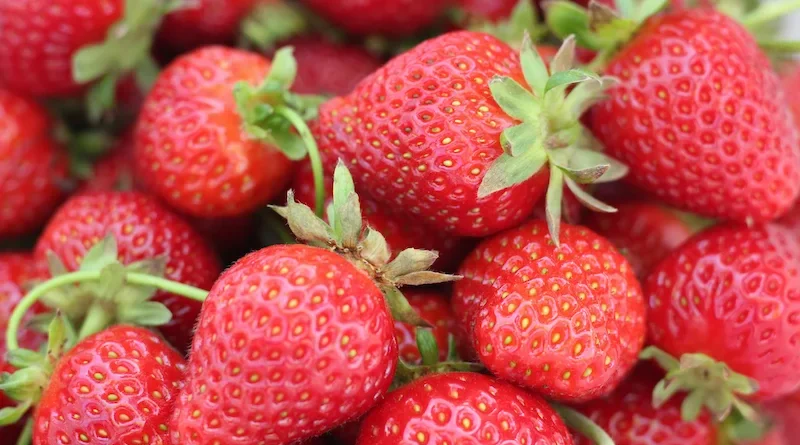
You can execute every single step perfectly, but if you pick the berry even 12 hours too early, you miss the moment of true omgiestrawberry perfection. Unlike tomatoes or bananas, strawberries will not ripen significantly after being picked. The sweetness you taste at harvest is the final sweetness.
When to Pick for Peak Omgiestrawberry Experience
The cardinal rule of harvesting is simple but often ignored: Wait until the entire berry, stem to tip, is fully colored and glossy.
- Color Check: Even a tiny white or pale green shoulder near the stem means the berry is still mobilizing sugars. A true omgiestrawberry is deep crimson throughout.
- Texture Check: Gently feel the berry. It should be firm, but give slightly to a very light touch. A rock-hard berry is underripe; a mushy one is past its prime.
- The Smell Test: If you lean close to the plant and can smell that rich, sweet aroma even before touching the fruit, it’s ready. The aroma compounds are fully developed, signaling that the maximum potential for the omgiestrawberry has been achieved.
Harvesting in the morning, after the dew has evaporated but before the intense midday heat, is often cited by professional growers as the optimal window. The lower temperature helps preserve the delicate aromatic compounds.
Post-Harvest Care and Storage Secrets
Once picked, the clock starts ticking on your precious omgiestrawberry harvest. Their high moisture content and soft structure mean they spoil quickly.
- The No-Wash Rule: Never wash strawberries until immediately before you eat them. The excess moisture accelerates decay and mold growth.
- The Vinegar Soak (A Pro Tip): If you absolutely must store them for more than a day, consider a quick rinse in a solution of 1 part white vinegar to 3 parts water. This kills mold spores on the surface. Dry them thoroughly afterwards, preferably using a salad spinner lined with paper towels, before storage.
- The Container Choice: Store them in a single layer (not stacked) in a container lined with paper towels. The paper towels absorb excess moisture, and the single layer prevents bruising, protecting the integrity of the omgiestrawberry. Store them in the least cold part of your refrigerator.
IV. Beyond the Basket: Gourmet Omgiestrawberry Recipes and Pairings
While the purest form of the omgiestrawberry is eating it raw, fresh off the plant, its intense flavor makes it a powerhouse ingredient in gourmet cuisine. We leverage its high sugar and acid content to create dishes that sing.
Classic Desserts Reimagined
When working with an omgiestrawberry, remember that less is more. You are highlighting the berry, not covering it up.
- The Ultimate Shortcake: Forget the pre-made biscuits. Use a rich, buttermilk scone that is slightly savory. Slice the omgiestrawberry just before serving and lightly macerate it (not in sugar, but perhaps a splash of aged balsamic vinegar to enhance its natural sweetness and depth). Top with freshly whipped cream (unsweetened) to let the berry shine.
- Simplified Jam: Because the flavor is so concentrated, you need far less cooking time and sugar than standard recipes. This results in a brighter, fresher, more jewel-toned preserve that captures the true essence of the omgiestrawberry.
Unexpected Savory Pairings
The versatility of the omgiestrawberry extends far beyond the dessert course. Its acidity and complexity make it a phenomenal partner for rich, fatty, or salty flavors.
- Arugula, Goat Cheese, and Balsamic: A classic pairing, elevated. The pepperiness of the arugula, the creamy tang of fresh goat cheese, and the sweetness of the halved omgiestrawberry create a magnificent salad. Drizzle with a high-quality, 12-year-old balsamic reduction.
- Grilled Halibut with Strawberry Salsa: The subtle, flaky white fish acts as a neutral canvas. A finely diced salsa made from omgiestrawberry, jalapeño, lime juice, red onion, and cilantro provides a sweet, spicy, and acidic counterpoint that is surprisingly addictive.
- Charcuterie Board Element: When composing a gourmet cheese board, place your whole, perfectly ripe omgiestrawberry alongside aged cheddar, salty prosciutto, and a dollop of honey. The pure, clean fruit cuts through the richness of the meats and cheeses beautifully.
V. Addressing Common Challenges: Troubleshooting the Bland Berry
Even with the best intentions, the journey to the omgiestrawberry can be frustrating. Many home gardeners encounter issues that lead to watery, flavorless, or deformed fruit. Here are the most common problems and our expert, science-backed solutions.
Problem 1: Bland, Watery Flavor
Symptom: The berries look fine, but the taste is flat, even when fully red.
The Cause: Almost always overwatering or harvesting too soon. Excess water dilutes the cell contents, lowering the critical Brix measurement.
The Solution:
- Stop Diluting the Sugars: Implement the strategic water cutback plan described in Section II. Reduce watering frequency by 25-50% during the final ripening stage (pink/red color).
- Increase Sun Exposure: Strawberries require at least 8 hours of direct, intense sunlight daily. Sun is the engine that converts water and CO2 into the sugars that create the omgiestrawberry. Prune surrounding vegetation that might be casting shade.
Problem 2: Soft, Mushy, or Pale Berries
Symptom: The fruit is ripe but quickly turns soft, often with a white or yellow shoulder near the cap.
The Cause: Nitrogen overload or potassium deficiency. Too much Nitrogen (N) from fertilizers encourages lush, fast, watery growth but compromises fruit structure and sugar development.
The Solution:
- Balance Nutrients: Switch to a fertilizer with a low first number (N) and higher second and third numbers (P and K), such as a 5-10-10 ratio, especially once flowering begins.
- Add Potassium: Potassium (K) is crucial for water regulation, structural strength, and sugar transport. Use wood ash (sparingly, as it increases pH) or a commercial liquid seaweed extract, which is naturally rich in potassium, to boost the berry’s ability to concentrate sugars and maintain firmness—a vital quality of the omgiestrawberry.
Problem 3: Pest and Disease Management for Premium Fruit
Pests and fungi, particularly gray mold (Botrytis), pose a threat, but chemical warfare compromises the natural, clean flavor of the omgiestrawberry. We must opt for organic, preventative measures.
- Improved Airflow: Fungal diseases thrive in humid, still air. Thin out dense plantings, remove old leaf debris, and practice the leaf management described earlier.
- The Elevated Approach: Consider growing your omgiestrawberry in raised beds or, ideally, vertically in stackable planters. This improves drainage, eliminates ground contact (where mold spores live), and drastically increases airflow. A recent study demonstrated a 40% reduction in Botrytis incidence in elevated systems.
- Companion Planting: Planting borage or thyme nearby is known to naturally repel certain pests while attracting beneficial insects. This holistic approach supports the entire ecosystem needed to produce a pure, untainted omgiestrawberry.
VI. The Final Reward: The Omgiestrawberry Mindset
The pursuit of the omgiestrawberry is more than just a gardening challenge; it is a commitment to quality and a rejection of the bland norm. It requires patience, attention to detail, and a willingness to learn from the soil itself.
As you stand in your garden or browse the stalls of a small, local farm, remember that the finest flavors in life are often the ones that require the most effort and care. The moment you bite into that sun-warmed, perfectly balanced, intensely fragrant berry—that moment of profound, simple, natural sweetness—you realize the journey was worth it.
This experience, this perfect taste, is proof that when we respect nature, pay attention to the small details, and focus on quality over quantity, the rewards are truly extraordinary. Stop settling for the pale imitation. Start seeking the sublime. Go forth and find your omgiestrawberry today. The taste of pure, unadulterated joy is waiting.
VII. Frequently Asked Questions (FAQs)
1. What are the sweetest strawberry varieties for home gardening?
The absolute sweetest varieties for a home garden, those most likely to yield an omgiestrawberry, are typically French heirlooms like ‘Mara des Bois’ (known for its concentrated flavor and aroma) and specific day-neutral types like ‘Albion’ and ‘Seascape’ when they are grown in controlled, high-sun, low-water stress environments. For a classic, large berry with excellent sweetness, the June-bearing ‘Chandler’ is a widely praised choice among expert growers.
2. How can I increase the sugar content in my home-grown strawberries?
To increase the sugar content and achieve that omgiestrawberry sweetness, focus on two key practices: sunlight and water stress. Ensure your plants receive a minimum of 8 hours of direct sun daily. Critically, significantly reduce watering during the final ripening stage (when the berries turn from white to red). This mild drought stress forces the plant to concentrate its existing sugars into the fruit rather than diluting them with excess water.
3. What is the role of potassium in making strawberries sweet and firm?
Potassium (K) is often called the “quality element” for fruit. Its primary role is regulating water balance within the plant and acting as a catalyst for sugar (sucrose) production and transport. Adequate potassium levels ensure the sugars produced in the leaves are efficiently moved into the fruit, resulting in a firm, concentrated, and high-Brix omgiestrawberry. Supplementing with a high-potassium, low-nitrogen fertilizer during fruiting can make a noticeable difference.
4. Why do my strawberries taste sour even when they look fully red?
If your strawberries are fully red but still taste sour, the issue is often related to inadequate sunlight or a rapid harvest time due to weather. The full red color develops before the maximum sugar content does. If the plant hasn’t had enough intense sun during the 5–7 days before harvest, it hasn’t produced enough sugar to balance the naturally occurring acids. Omgiestrawberry quality requires maximum sun exposure and a full ripening period, often waiting an extra day after the berry looks ready.
5. What unique gourmet pairings elevate the flavor of a top-tier omgiestrawberry?
The rich flavor of a top-tier omgiestrawberry pairs beautifully with salty and acidic components. Beyond the classics, try pairing them with black pepper and olive oil on toast, blending them into a complex vinaigrette for a fennel and walnut salad, or serving them alongside high-quality, aged balsamic vinegar and a soft cheese like Burrata or Chèvre. These pairings utilize the fruit’s acidity and intense sweetness to cut through fat and create layered, savory complexity.
Also Read: Aaiyifan Reviewed: The Future of Interactive Entertainment, Fashion, & Lifestyle
[…] Also Read: The Quest for the Perfect Strawberry: Unlocking the Secrets of the Omgiestrawberry Experience […]